How to Dress for the Cold
While we hope for sunny and pleasant temperatures, we do operate in Interior Alaska, where forty below can and does happen! The following is some general information about how to keep that bubble of warmth with you and enjoy your trip, no matter what the thermometer says.
General principles
Loose is good- For everything except baselayers, you want clothing that is at least one size larger than you would usually wear to allow for layering and movement. Constrictive clothing (especially shoes) can restrict blood flow and be dangerous in the cold. Layering is critical and you can’t lair clothing that is too tight.
Drying- It is very important to dry out clothing completely after each outdoor session. Look for clothing that is built in a layered fashion such as outer and inner coats, liners etc. Extractable liners for gloves and boots are a must.
Constant Adjustment- We try to avoid sweating while working outside in the winter. If you feel yourself getting hot, take action to cool yourself off a little. Unzipping jackets, removing a glove or hat work well. Don’t forget to put them back on, as you get a little cool! Being vigilant about assessing your temperature and taking action to make little adjustments is key.
Breathable, not waterproof- We don’t worry much about clothing being waterproof until late March. Waterproof fabrics tend to trap moisture inside your clothes, making you cold rather than letting it out. We look for fabrics that are breathable (wool, fleece, some down jackets) for inner layers and windproof but breathable (canvas) for the outside.
Puffy Jackets and sled dogs don’t mix- puffy down and primaloft coats are great but they tend to tear easily when combined with enthusiastic sled dogs who want to give you a hug (claws). We recommend that you wear one of our parkas (tough outer layer) or anoraks OVER your puffy layers when interacting with excited dogs.
Hand and toe warmers- are a great addition, but you need to plan ahead and open/activate them when you are not already cold. Many require a few minutes of shaking to activate. Some of our guests have had good experiences with battery-powered heated gloves but we don’t recommend them as cold tends to zap battery life and they don’t have much insulation.
Extras- It is a good idea to have extras of the things that get wet (liner gloves and neck gators/balaclavas) and to have them in an easy to access place like a secure outer pocket so you can quickly change them on the trail if necessary.
Temperature Ratings are guidelines- We are highly skeptical of temperature ratings for outdoor gear. Don’t rely on boots just because they say “-40 rated”, use common sense and look at the materials.
Drink liquids- Hydration is important to keep you warm, and a good excuse to have extra hot chocolate!
Move- When all else fails, move your body. Especially at the beginning of your time outside, it is really important to get your blood flowing. Try walking, running, dancing, whatever you feel comfortable doing. This is the single best way to get and stay warm.
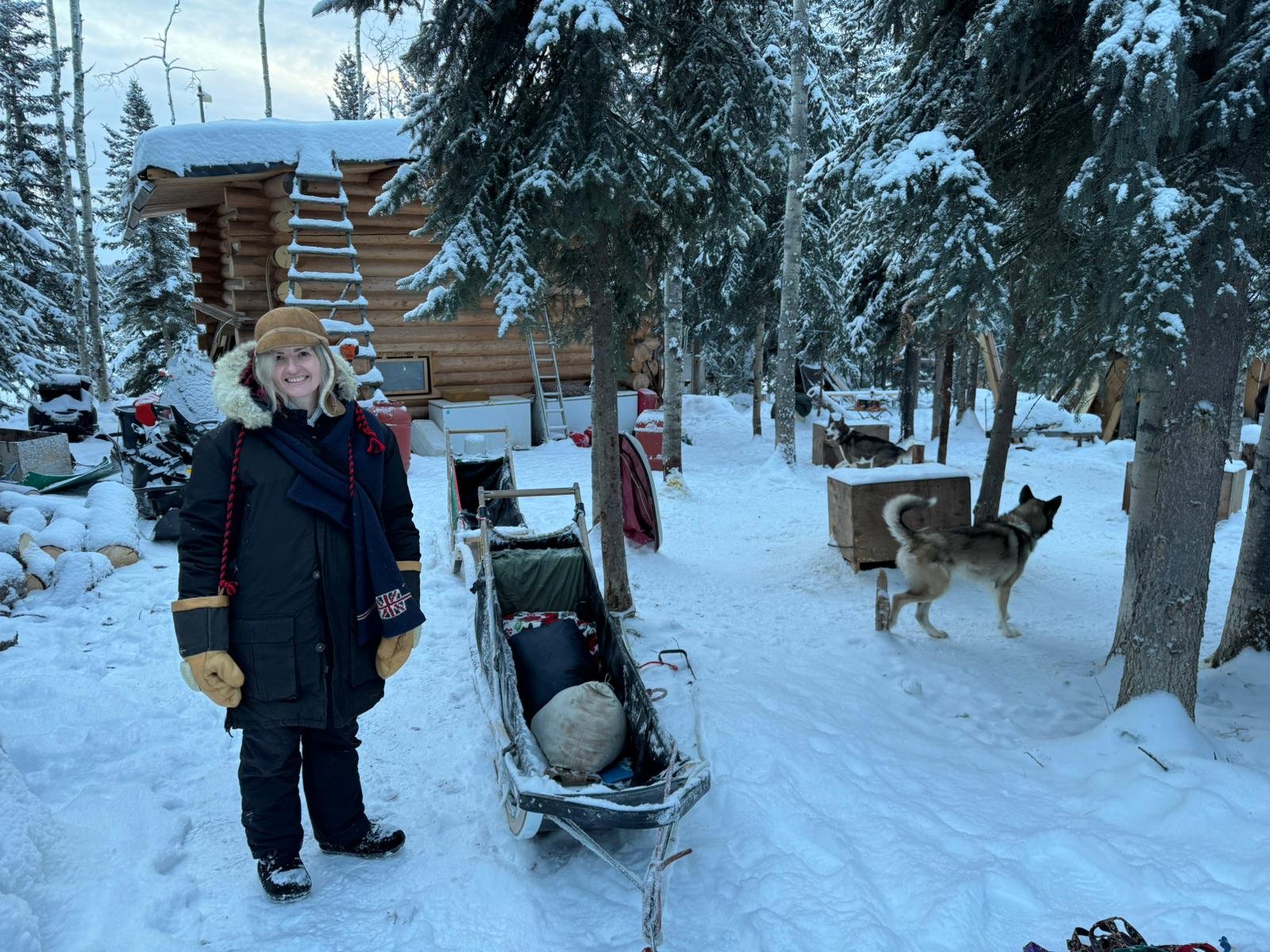
A guest wearing our gear- Parka, mittens, snowpants and boots.
How to Dress Head to Toe:
Feet- Start with TWO pairs of wool socks. If you are using toe warmers, place them on the top of your toe in between the two layers of socks. Shoes should be loose enough to comfortably accommodate both socks and ideally wool insoles as well.
Legs- Wool base layer (1 or 2), fleece pants, and then then insulated snowpants (primaloft). For windy days, add wind pants on top. Warm legs are a key to warm feet but you want to still be able to move around so don’t completely marshmallow yourself.
Top- Wool long john top, fleece or wool sweater, then down jacket and windproof anorak OR parka.
Hands- Start with liner gloves (wool ideally) and then wear large mittens (the kind with individual spaces for your fingers are not good) gloves are not mittens. If you are using a hand warmer, activate it by shaking at least 10 minutes before you leave a warm place to make sure it works. It’s a good idea to have a spare pair of liners if you get your original pair wet.
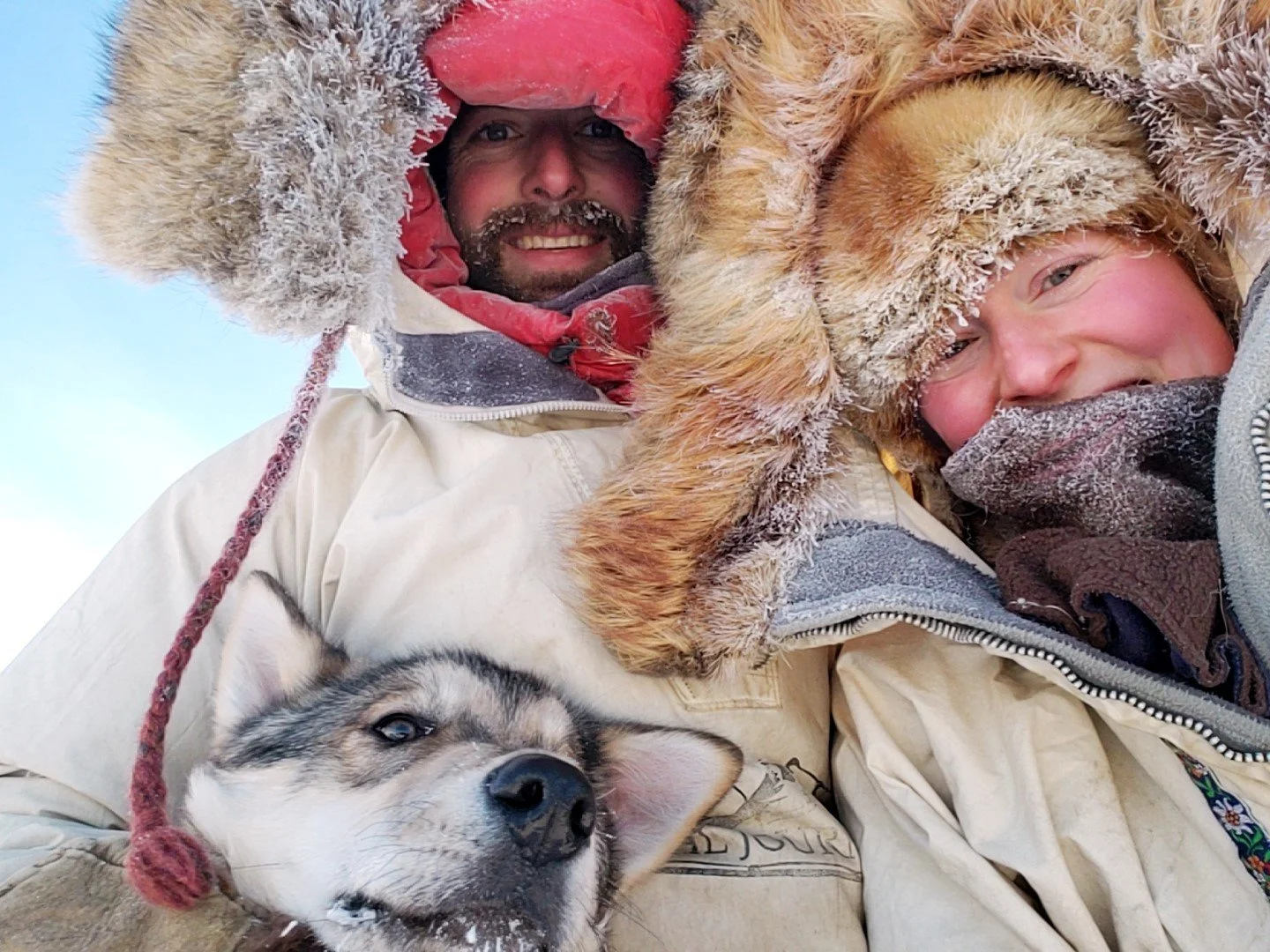
Neck/Face- We recommend simple tube neck gators made of fleece or wool. The type that you can pull up over your face if you want warmth or pull down if you’re hot. Balaclavas work too but they tend to stick to your face more. We are big fans of fur ruffs for keeping your face warm and our parkas have ruffs on them.
Head- A hat that covers your ears is ideal (trapper style). Make sure it is tightly woven.